
Traveller Eviction Comprehensive Guide 2026
Quality Bailiffs High Court Enforcement

Complete the form and we will contact you with our quote.
Or phone your local office to discuss.
Travellers setting up encampments on private land can be a complex and sensitive issue.
As one of the United Kingdom’s 40 High Court Enforcement Officers, I aim to provide a clear and thorough guide on traveller eviction.
This article covers everything from legal frameworks to practical steps for evicting travellers from private property.
Whether you are a landowner, a business owner, or simply interested in understanding the process, this guide will equip you with the necessary knowledge.
Yes, travellers can be evicted from private land.
The eviction process, however, must comply with specific legal procedures to ensure it is lawful and fair.
As a landowner, you have the right to reclaim your property, but it’s crucial to follow the correct steps to avoid legal repercussions.
Bailiffs, particularly High Court Enforcement Officers, play a pivotal role in the eviction of travellers. The process typically involves the following steps:

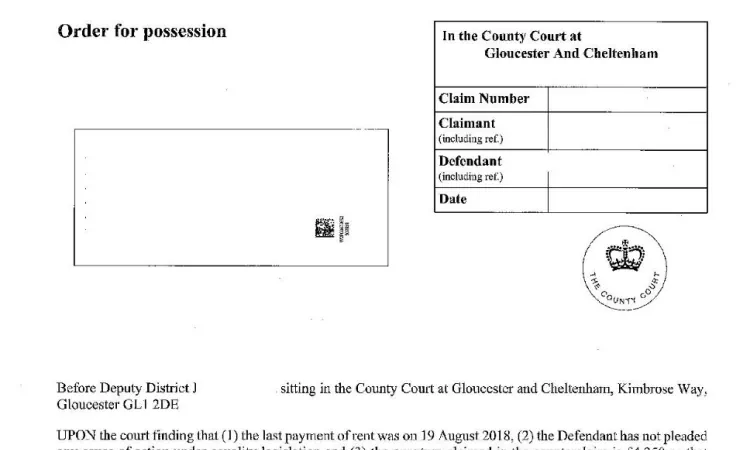

Common law provides an alternative method for evicting travellers without the need for a court order. Here’s how it works:
While common law eviction can be quicker and less costly than court-ordered eviction, it’s essential to ensure that the process is conducted lawfully to avoid any legal challenges, and has certain limitations as opposed to a court order.
The police have certain powers to deal with traveller encampments under the Criminal Justice and Public Order Act 1994. They can:
Recent legislative changes have introduced stricter measures against illegal encampments. The Police, Crime, Sentencing and Courts Act 2022 has expanded the powers of law enforcement, including:
To remove travellers from private property, follow these steps:
The eviction of travellers involves a legal process that must be followed meticulously:

This article was written by Andrew Coates, Authorised High Court Enforcement Officer and full member of The High Court Enforcement Officers Association, and current CEO of Quality Bailiffs.
Andy has a Level 4 diploma in High Court Enforcement, and over twenty five years of experience in the bailiff and investigation industry. He is a former governing council member of both CIVEA and ABI.
Traveller eviction requires a thorough understanding of legal procedures and enforcement methods.
As a High Court Enforcement Officer, my role is to ensure that these processes are carried out lawfully and effectively. By following the guidelines provided, landowners can reclaim their property while respecting the rights of all parties involved.
For more detailed information, please refer to the comprehensive guides provided by Quality Bailiffs on removing travellers from private land and understanding traveller encampment law.
Act fast and hire a professional enforcement company to use common law or other enforcement methods as soon as possible.
read more about the
Eviction of Travellers
and Gypsies service
Or phone your local office to discuss your traveller eviction.
read more eviction articles


Southern Region
| Southampton |
| 023 8192 0037 |
| southern@qualitybailiffs.co.uk |
Midlands Region
| Birmingham |
| 0121 582 1051 |
| midlands@qualitybailiffs.co.uk |
Northern Region
| Manchester |
| 0161 791 1735 |
| northern@qualitybailiffs.co.uk |
Southern Local Areas
| Bristol |
| Brighton |
| Canterbury |
| Maidstone |
| Reading |
Midlands Local Areas
| Cardiff |
| Derby |
| Leicester |
| Peterborough |
| Sheffield |
| Shrewsbury |
Northern Local Areas
| Carlisle |
| Darlington |
| Leeds |
| Middlesbrough |
| Newcastle |